Seasonal Fluctuations in Finnish Lottery Participation Rates and Their Ripple Effects on Slot Machine Prize Pools Within Integrated Mobile Platforms
Erik Peters · Oct 26, 2026
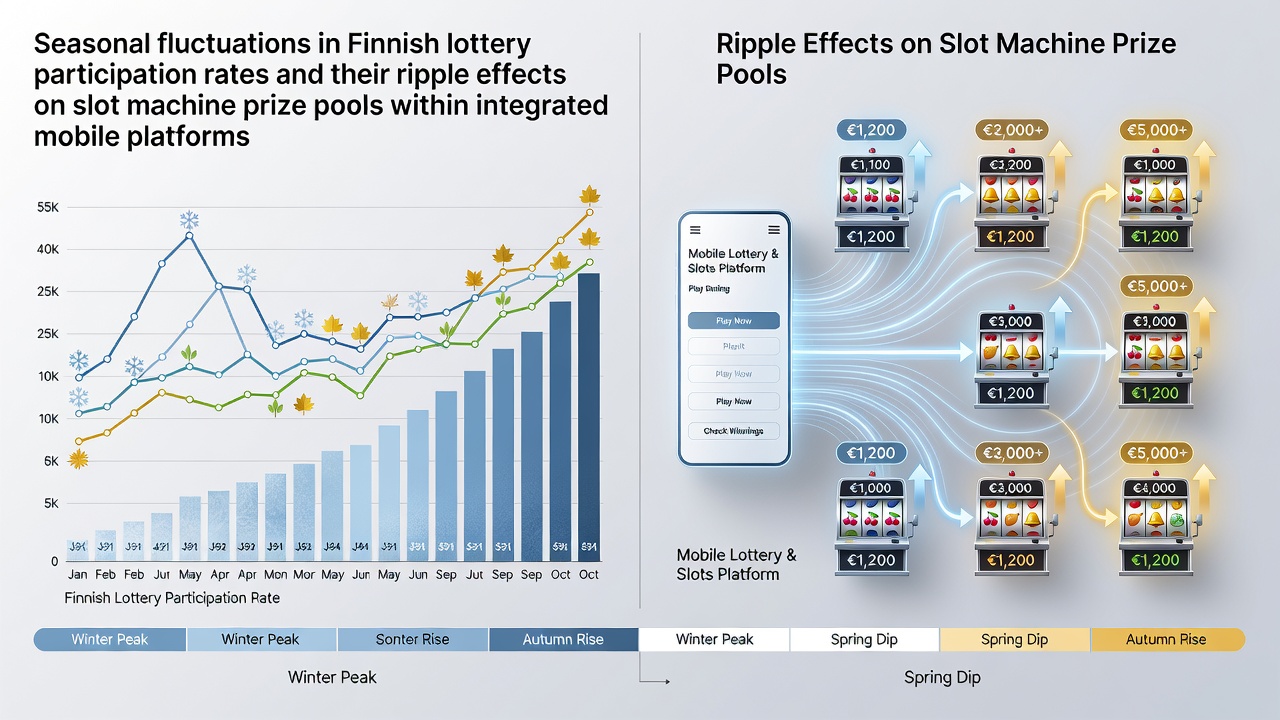
Seasonal Fluctuations in Finnish Lottery Participation Rates and Their Ripple Effects on Slot Machine Prize Pools Within Integrated Mobile Platforms
Data from Finnish gaming operators reveal clear seasonal patterns in lottery participation that extend across integrated mobile systems where slots and other games share infrastructure. Participation tends to rise during colder months when people spend more time indoors and drops during summer when outdoor activities increase. These shifts influence prize pool dynamics in slot machines because many platforms pool contributions from multiple game types into shared progressive systems.
Understanding Participation Patterns Across the Calendar
Records maintained by operators show lottery ticket sales peak between November and February while volumes decline noticeably from June through August. October 2026 data aligned with this established cycle as participation climbed steadily after the summer lull. Researchers tracking these trends note that holidays such as Christmas and New Year further boost engagement because promotional draws and rollover jackpots coincide with increased screen time on mobile devices.
Integrated platforms link lottery entries directly to slot machine ecosystems so changes in one area affect the other. When lottery participation falls the total funds flowing into combined prize pools decrease because many systems allocate a percentage of all wagers across categories. Observers note that slot prize pools in these environments therefore experience slower growth during low-participation periods and accelerate when lottery volumes rebound.
How Mobile Integration Creates Ripple Effects
Finland's unified gaming platforms allow users to move between lottery draws, sports betting, and slot games within a single application. This connectivity means that seasonal dips in lottery activity reduce the overall contribution rate to progressive jackpots that draw from multiple sources. Figures released by industry groups indicate that slot prize pools can shrink by noticeable margins during summer months when mobile sessions shift toward shorter casual games rather than high-volume lottery play.
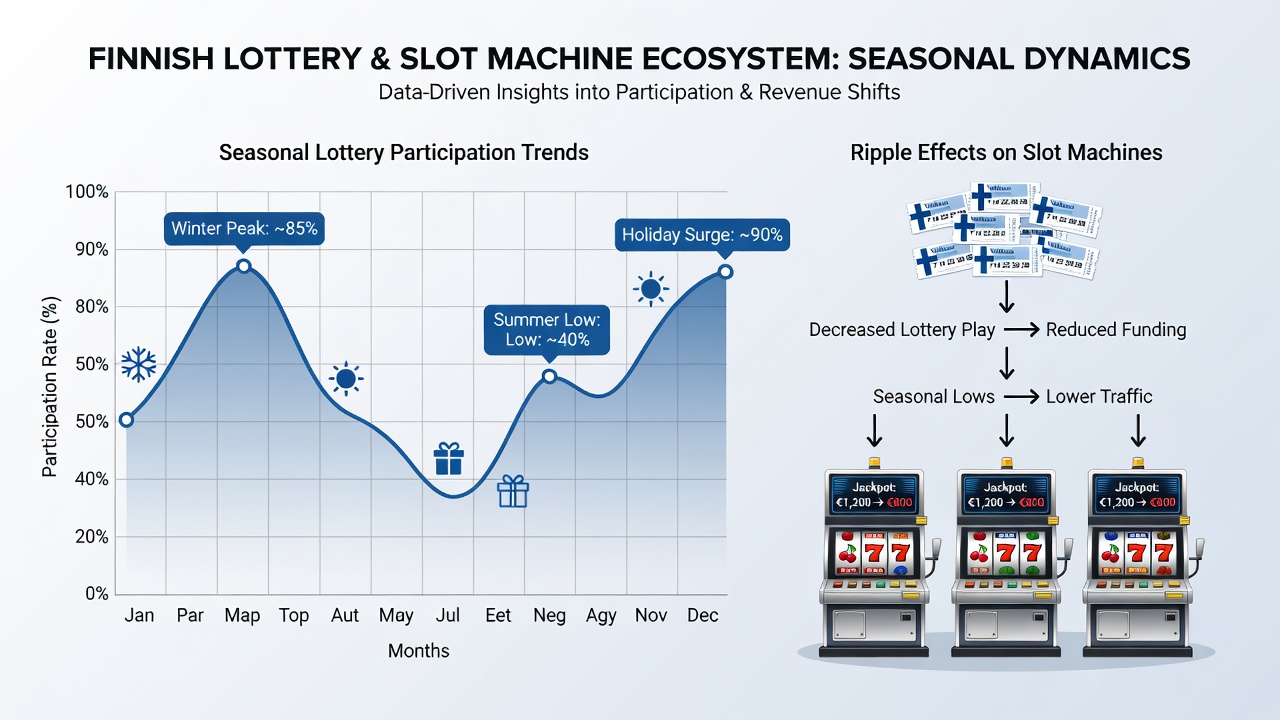
Payment flows and reward distribution systems remain constant regardless of season yet the velocity of prize accumulation varies with participation. Studies conducted by academic researchers at Finnish universities demonstrate that jackpot reset frequencies increase during low-participation windows because fewer contributions reach the required thresholds. Those who monitor platform analytics report that players sometimes notice smaller advertised prizes during these periods which in turn influences further engagement patterns.
Data Sources and Measurement Methods
Statistics Finland compiles transaction-level information that operators submit under regulatory requirements and these datasets allow analysts to correlate participation rates with prize pool sizes over multiple years. According to Statistics Finland records, the variance between peak and trough months consistently exceeds twenty percent in lottery volume. European gaming associations track similar metrics across member states and European Gaming and Betting Association reports confirm that integrated mobile platforms amplify these seasonal effects because shared ledgers update in real time.
Platform operators adjust marketing calendars to offset predictable declines by launching targeted campaigns ahead of known low periods. These interventions stabilize contribution rates to some degree yet the underlying seasonal rhythm persists. Data from October 2026 showed early signs of recovery that matched historical averages once autumn routines resumed for most users.
Conclusion
Seasonal participation changes in Finnish lotteries produce measurable impacts on slot machine prize pools inside integrated mobile platforms through shared funding mechanisms and real-time contribution tracking. Continued monitoring of transaction data provides operators and regulators with the information needed to anticipate fluctuations and maintain system stability across the calendar year.