Regulatory Frameworks Guiding Encrypted Data Flows Between Finnish Lottery Systems and Mobile Sports Wagering Apps
Erik Hoffmann · Sep 28, 2026
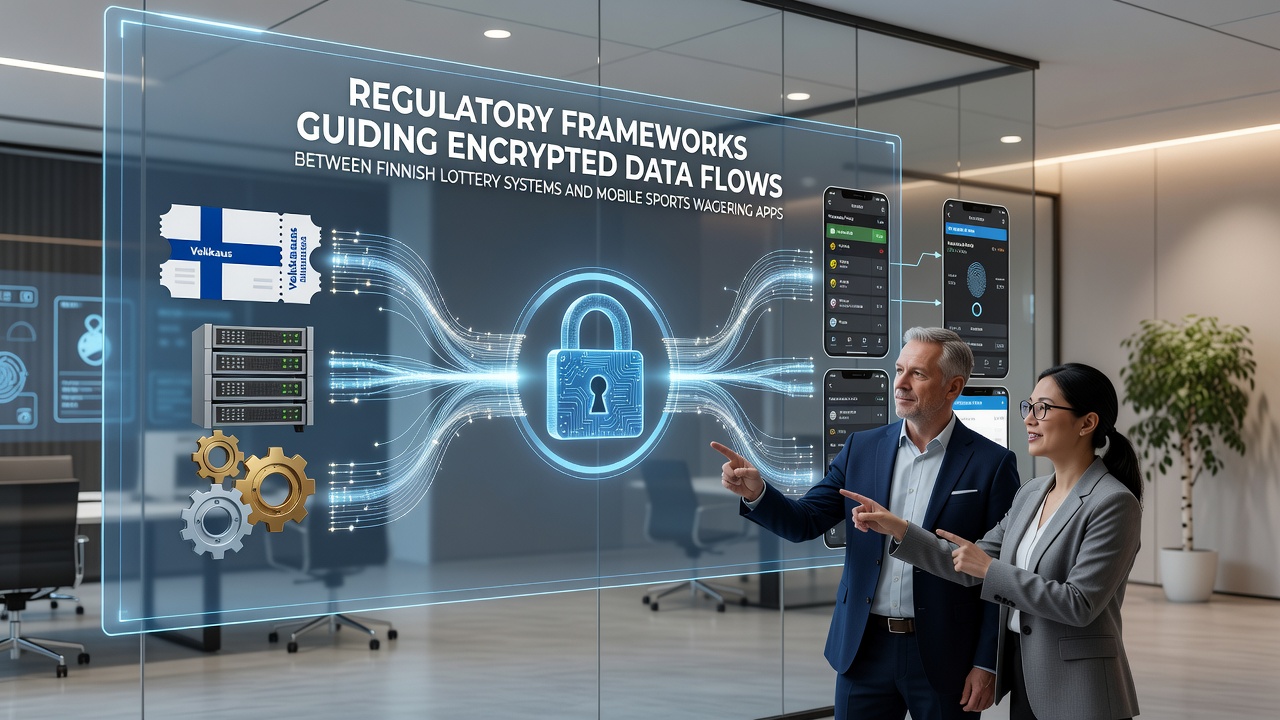
Regulatory Frameworks Guiding Encrypted Data Flows Between Finnish Lottery Systems and Mobile Sports Wagering Apps
Finland maintains a state-controlled gambling sector where Veikkaus operates as the sole provider of lottery and sports wagering services, which creates specific requirements for how encrypted data moves between central lottery databases and mobile applications used for sports betting. Regulatory oversight falls under the Ministry of the Interior along with data protection rules enforced through national implementation of the General Data Protection Regulation, and these rules dictate that all personal and financial information transmitted during lottery ticket purchases or wager placements must use approved encryption methods such as TLS 1.3 combined with AES-256 standards.
Core Legal Structures Shaping Data Security
National legislation requires that every data packet traveling from a user's mobile device to lottery servers receives protection through end-to-end encryption, while additional layers of authentication verify both the sender and receiver before any transaction completes. Observers note that the Finnish Act on Gambling and the Data Protection Act together establish mandatory audit trails that record each encryption key exchange, and these records remain accessible to regulators for inspection at any time. Research indicates that compliance audits occur quarterly, with independent third parties checking whether mobile sports wagering apps correctly implement certificate pinning to prevent man-in-the-middle attacks during prize claims or bet settlements.
Because lottery systems often share infrastructure with sports wagering platforms, data flows between these components must satisfy the same encryption thresholds even when internal network segments handle the traffic. Experts have observed that failure to maintain consistent encryption across these segments triggers automatic reporting obligations under the national cybersecurity framework administered by Traficom, the Finnish Transport and Communications Agency.
Technical Standards for Encrypted Transmission
Mobile applications connect to backend lottery systems through APIs that enforce mutual TLS authentication, ensuring that only verified app instances can initiate a session, and once the session begins every payload containing user identification numbers, payment details, or betting selections receives encryption before leaving the device. According to the European Commission guidelines on data protection, organizations must document the specific cryptographic algorithms deployed and demonstrate that key lengths meet current minimum recommendations. Figures reveal that Finnish operators updated their minimum key length requirements to 256 bits for symmetric encryption in 2024, and those standards remain in force without modification through September 2026.
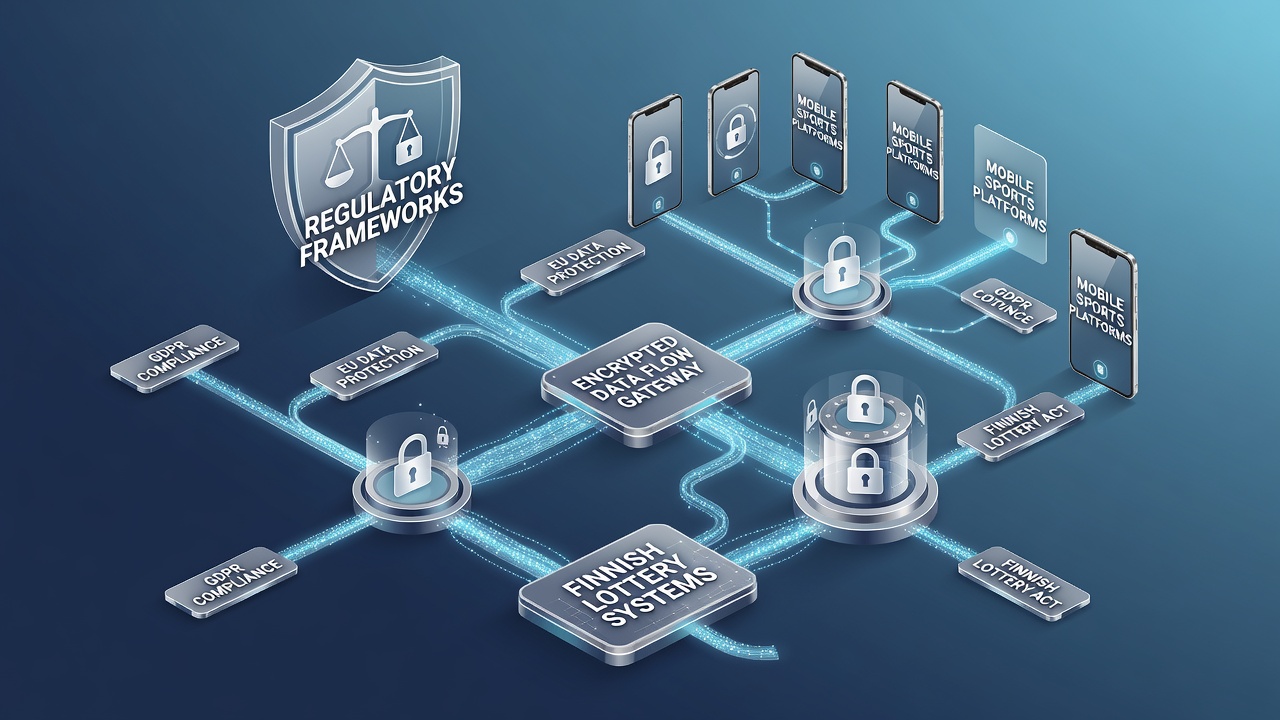
Additional controls address key management practices, requiring that encryption keys rotate automatically every 24 hours and that retired keys receive secure destruction through approved hardware modules. Those who've studied the implementation note that hardware security modules certified to FIPS 140-2 Level 3 or higher store the master keys, while session keys generated on the fly handle individual data exchanges between lottery databases and mobile sports wagering interfaces.
Cross-Border Considerations and Reporting
Although Finnish lottery operations remain domestically focused, some data processing occurs through cloud providers located outside Finland, which brings EU cross-border data transfer rules into play. Organizations must conduct transfer impact assessments before routing encrypted traffic to servers in third countries, and they must verify that the recipient jurisdiction provides an adequate level of protection equivalent to GDPR standards. Data from the National Institute of Standards and Technology shows that common practices include wrapping Finnish encryption keys inside additional layers that comply with local export controls, thereby preserving confidentiality even when packets traverse international networks.
Regulators require immediate notification if any suspected breach of encryption occurs, and operators must submit detailed forensic reports within 72 hours detailing which data segments were exposed and which mitigation steps followed. These obligations apply equally to lottery prize distributions and sports wager settlements processed through mobile channels.
Future Developments Expected by September 2026
Updated technical specifications scheduled for release in September 2026 will introduce mandatory support for post-quantum cryptographic algorithms alongside existing standards, requiring operators to begin testing hybrid encryption schemes that combine classical and quantum-resistant methods. Preparation for this transition involves mapping every data flow between lottery systems and mobile sports wagering apps to identify locations where algorithm agility must be added without disrupting service availability. Those monitoring the timeline report that pilot programs have already started on selected mobile app versions to validate performance impacts before wider rollout.
Conclusion
The regulatory environment governing encrypted data flows in Finland centers on consistent application of GDPR-derived rules, national gambling legislation, and technical standards enforced through regular audits. Mobile sports wagering apps must integrate with lottery systems using verified encryption protocols, documented key management, and timely breach reporting procedures that remain unchanged through the current period and extend into the September 2026 updates. Compliance documentation, independent verification, and cross-border transfer safeguards together form the operational backbone that keeps personal and financial information secure during every transaction processed between Finnish lottery platforms and associated mobile applications.