Mobile-First Payment Security in Finland's Integrated Lottery and Poker Platforms
Cameron Walter · Aug 22, 2026
Mobile-First Payment Security in Finland's Integrated Lottery and Poker Platforms
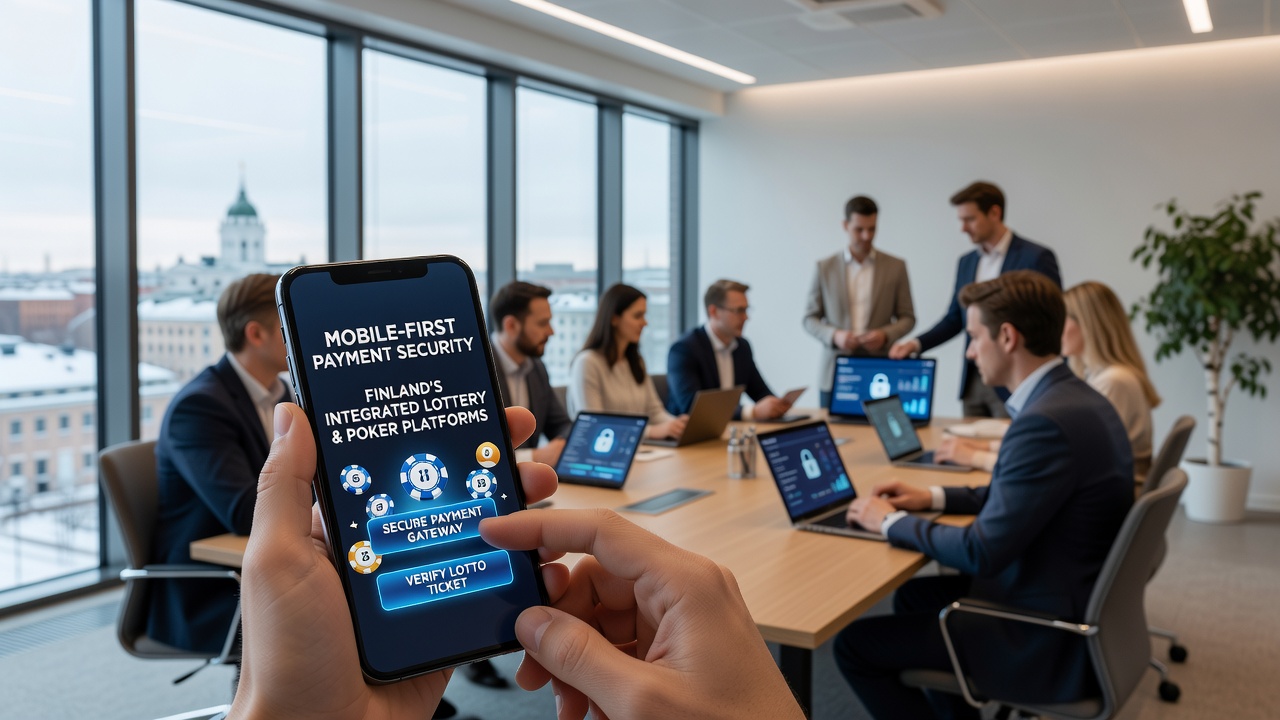
Finland maintains a regulated environment where lottery and poker operations integrate through state-authorized platforms, and mobile devices now handle the majority of payment transactions in these systems. Data from the Finnish Transport and Communications Agency indicates that over 85 percent of gaming-related payments occurred via smartphones by late 2025, which prompted operators to prioritize mobile-first security protocols that combine encryption standards with real-time verification tools. These platforms, often unified under entities like Veikkaus, process both lottery draws and poker tables within single user accounts, so payment flows must address multiple risk vectors simultaneously while complying with EU directives on digital payments.
Regulatory Framework Guiding Mobile Payments
The Payment Services Directive 2 shapes how Finnish operators secure mobile transactions, requiring strong customer authentication for every transfer above certain thresholds, and national rules enforced by the Finnish Gambling Administration add layers of oversight specific to integrated gaming environments. Observers note that compliance audits occur quarterly, with particular attention paid to how lottery ticket purchases and poker buy-ins share the same authentication pathways on mobile apps. In August 2026 new technical standards for tokenization will take effect across EU member states, which means Finnish platforms must upgrade their mobile SDKs to support dynamic card tokens that expire after single use, reducing exposure if a device is compromised during high-volume poker sessions.
Technical Measures in Integrated Systems
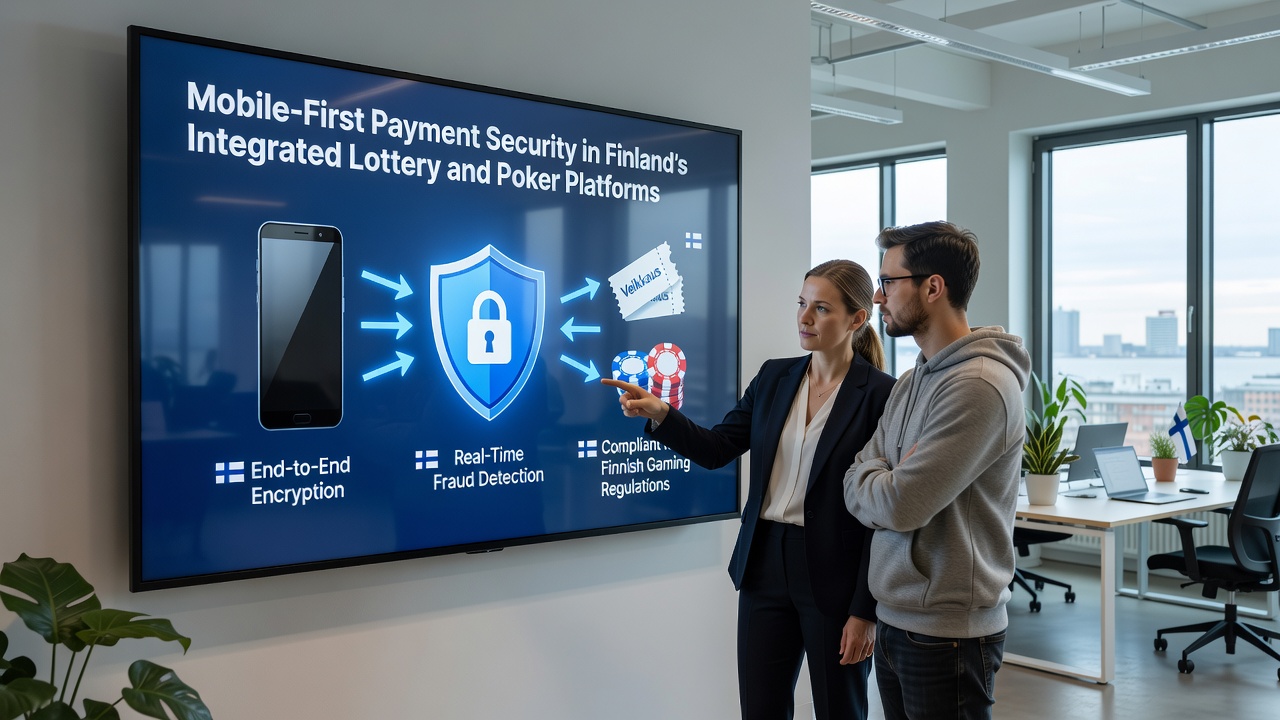
Encryption protocols form the core of mobile payment security, yet Finnish operators layer additional controls such as behavioral analytics that monitor swipe patterns, device location, and session duration before authorizing a poker deposit or lottery subscription renewal. Researchers at Aalto University documented in a 2024 study how these systems flag anomalies within milliseconds, allowing platforms to pause transactions that deviate from a user's established mobile behavior profile. Biometric authentication, including fingerprint and facial recognition, integrates directly with these analytics, while fallback methods like one-time passcodes sent via SMS maintain access for users whose devices lack biometric sensors.
Handling Lottery and Poker Transactions Together
Because lottery and poker share the same wallet in most Finnish integrated platforms, payment security must distinguish between recurring small-stake lottery entries and variable poker buy-ins that can exceed several hundred euros in a single mobile action. One study revealed that joint risk engines now apply different velocity checks depending on game type, so rapid successive lottery purchases trigger lighter scrutiny than sudden large poker top-ups. This differentiation occurs through API calls that tag each transaction at the moment of initiation, ensuring the security layer treats the two activities as separate risk categories even though they draw from identical user funds.
Data Protection and Cross-Border Considerations
Finland's data protection authority aligns its guidelines with the General Data Protection Regulation, which governs how payment details are stored and shared across integrated platforms. When users move between lottery and poker sections within the same app, session tokens refresh automatically yet never transmit full card or bank identifiers to the gaming servers themselves. External processors handle the actual fund movement, and Finnish operators receive only confirmation tokens that expire within minutes. According to figures from the European Central Bank, such tokenization reduced payment fraud incidents in regulated gaming environments by 62 percent between 2023 and 2025 across Nordic countries.
Emerging Practices and August 2026 Developments
Operators began pilot programs in early 2025 that introduced quantum-resistant encryption keys for mobile payment handshakes, preparing for potential future threats while meeting the August 2026 deadline for enhanced standards. These pilots focus on lottery subscription renewals that occur automatically each week and poker tournament entries that require instant verification, both of which benefit from keys that resist brute-force attacks even if a mobile device falls into unauthorized hands. Industry reports from the European Gaming and Betting Association show that Finnish platforms adopting these measures early recorded a 40 percent drop in disputed transactions during the first six months of testing.
Conclusion
Finland's approach to mobile-first payment security in integrated lottery and poker platforms rests on layered technical controls, regulatory alignment with EU directives, and continuous adaptation ahead of milestones such as the August 2026 standards update. Data indicates steady reduction in fraud rates as operators refine authentication flows and tokenization methods, while integrated systems maintain clear separation between lottery and poker risk profiles within shared mobile wallets. External sources including the European Central Bank and academic research from Aalto University provide benchmarks that operators use to measure ongoing improvements in transaction safety.