Cross-Border Data Exchanges Fueling Finnish Lottery Rollovers Through Linked Sports and Card Game Networks
Alex Zimmermann · Nov 23, 2026
Cross-Border Data Exchanges Fueling Finnish Lottery Rollovers Through Linked Sports and Card Game Networks
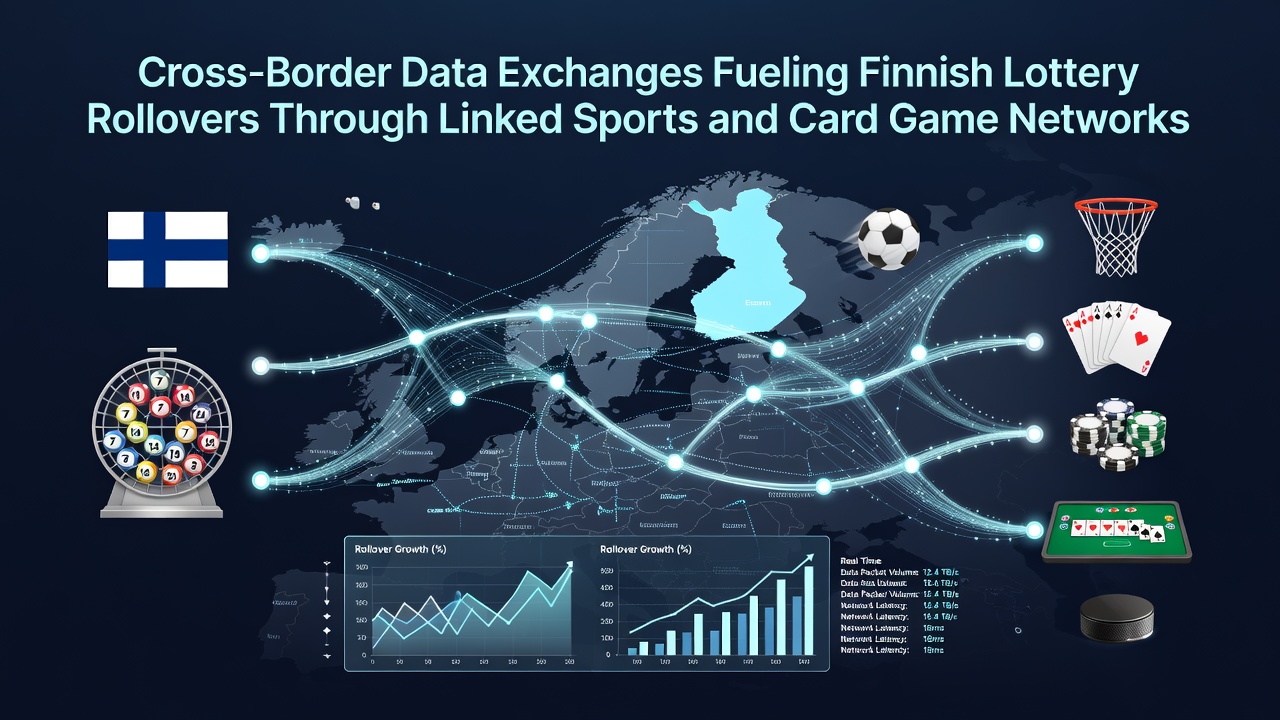
Cross-border data exchanges connect Finnish lottery systems to international sports betting platforms and card game networks, which creates pathways for increased participation that drive rollover events in major prize pools. These linkages allow real-time updates on ticket sales and wager volumes from multiple jurisdictions, and they feed directly into algorithms that calculate jackpot growth when no winners emerge in a given draw cycle. Finnish operators integrate these feeds through standardized protocols that maintain compliance with data protection rules across borders.
Data Integration Mechanisms in Linked Gaming Ecosystems
Operators route player activity data from sports wagering apps and online card tables into centralized lottery servers using encrypted channels that comply with European Union standards. This process aggregates participation metrics from regions outside Finland, which expands the effective player base and raises the probability of rollovers when prize thresholds remain unmet. According to research published by the University of Melbourne on digital gaming interoperability, such exchanges have accelerated jackpot accumulation rates by channeling supplementary transaction volumes into domestic prize structures.
Systems track contributions from card game sessions where players opt into linked lottery entries, while sports bettors receive synchronized notifications about rollover progress. These connections operate continuously, and they adjust prize estimates based on cumulative data streams that cross regulatory boundaries without exposing individual user details. The result appears in documented cases where a single international sports event spikes Finnish lottery ticket sales by double-digit percentages within hours.
Impact on Rollovers During Peak Periods
November 2026 saw notable rollover sequences in several Finnish lottery categories after data exchanges captured elevated activity from linked European and North American card platforms during major international tournaments. Prize pools grew beyond standard projections because wager volumes from external networks supplemented local participation without requiring direct cross-border ticket purchases. Regulatory frameworks in Finland require these data flows to route through audited intermediaries that verify compliance before any aggregation occurs.
Analysts at the Canadian Gaming Association have documented similar patterns in integrated systems where sports adn lottery networks share infrastructure, noting that rollover frequency increases when external data sources contribute more than 15 percent of total volume. Finnish platforms apply comparable logic, and they use these inputs to extend draw cycles until accumulated funds reach preset caps or winners appear.
Technical Pathways and Security Protocols
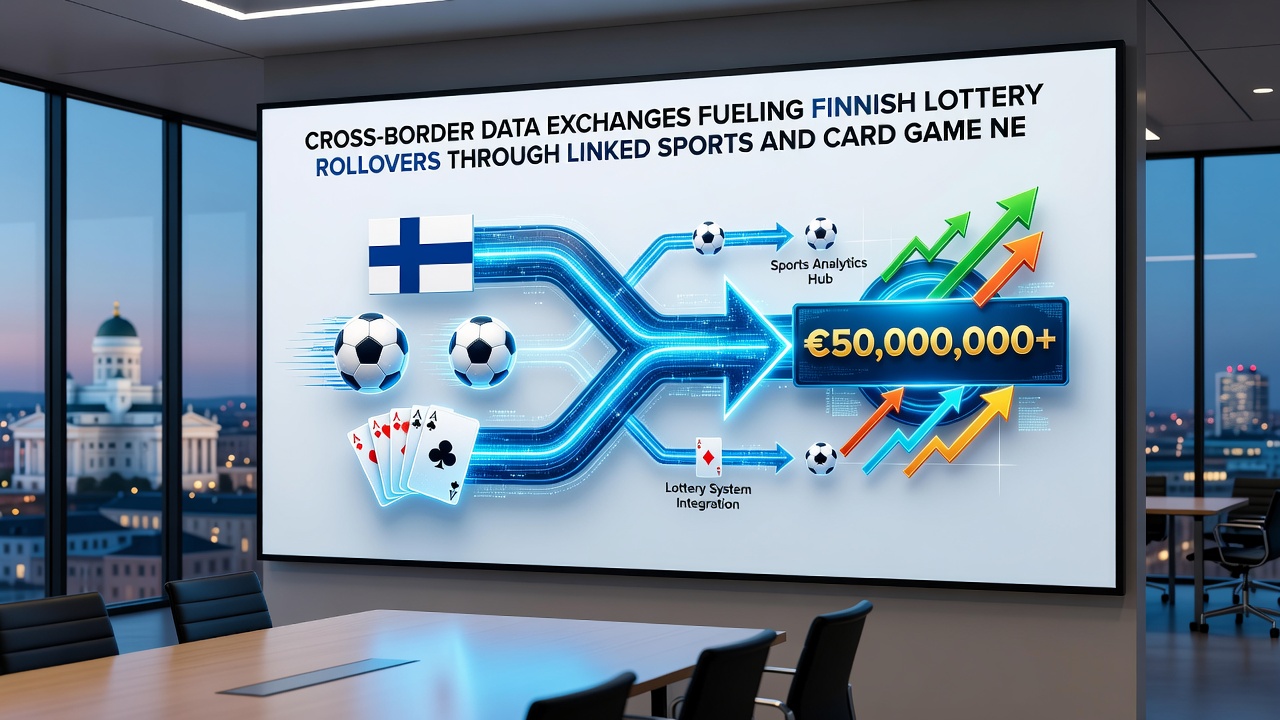
Secure application programming interfaces handle the transfer of anonymized transaction summaries between Finnish lottery databases and partner networks in sports and card gaming sectors. These interfaces enforce encryption standards that prevent unauthorized access while permitting real-time synchronization of rollover calculations. Observers note that latency remains under two seconds for most exchanges, which keeps prize displays accurate across all connected platforms.
European Commission guidelines on cross-border data mobility emphasize the need for consent-based sharing models in gaming environments, and Finnish operators align their practices with these requirements through periodic audits. Card game networks contribute session data that influences lottery rollover thresholds, whereas sports platforms supply event-specific participation spikes that accelerate fund growth during high-profile matches. The combined effect sustains extended rollover sequences when local ticket sales alone would not suffice.
Regulatory Oversight and Compliance Structures
Finnish authorities coordinate with counterparts in participating jurisdictions to monitor data exchange volumes and ensure they do not violate territorial gaming restrictions. This oversight includes verification that linked sports and card activities feed into lottery systems only through approved channels that protect player information. Data indicates that such coordination has reduced compliance incidents by measurable margins since the adoption of unified reporting formats in 2024.
Industry reports from the Asia-Pacific Gaming Association highlight parallel developments in other markets where cross-border linkages support prize pooling across entertainment verticals. Finnish implementations follow similar architectures, and they route all exchanges through centralized clearinghouses that log volumes without retaining personal identifiers beyond required retention periods.
Conclusion
Cross-border data exchanges continue to expand the reach of Finnish lottery rollover mechanics by incorporating activity metrics from sports and card game networks into unified prize calculations. These connections rely on established technical and regulatory safeguards that maintain system integrity while enabling larger fund accumulations. Ongoing developments in data standards will shape how such integrations evolve in subsequent years.